Can You Repair a Leaking Roof Without Replacing It All?
In most cases, yes. A leaking roof does not automatically mean a full replacement. Many leaks come from a small, localised problem such as a cracked tile, a failed section of flashing or a rusted screw, and these can be fixed for a fraction of the cost of a new roof. For homeowners in Ballina and https://trevormwtq126.ironwoodscope.com/posts/what-are-the-signs-of-poor-workmanship-on-a-new-roof the wider Northern Rivers region, where roofs deal with intense summer sun, heavy rain, coastal salt air and the occasional severe storm, understanding when repair makes sense is a valuable piece of knowledge.
This guide explains what can be repaired, when replacement is the smarter choice, and how to make a confident decision for your home.
Why Ballina Roofs Develop Leaks
The Northern Rivers climate is tough on roofing materials. Ballina's subtropical conditions, high humidity, salt-laden coastal air and intense rainfall all contribute to wear over time. Common causes of leaks include:
- Corroded metal sheeting and fasteners: Salt air accelerates rust, particularly on older Colorbond or galvanised steel roofs, and especially close to the coast or the Richmond River.
- Cracked or slipped tiles: Concrete and terracotta tiles can crack from storm debris, foot traffic or thermal movement, and can shift during strong winds.
- Deteriorated flashing: Flashing around chimneys, skylights, vents and wall junctions is a very common leak point.
- Failed pointing and bedding: The mortar that holds ridge and hip tiles in place can crumble over time, letting water in.
- Blocked or damaged gutters and valleys: Overflowing water can back up under roofing and into the roof cavity.
- Storm damage: Wind, hail and fallen branches can dislodge or puncture roofing.
Leaks That Can Usually Be Repaired
When the problem is confined to a specific area and the rest of the roof is in sound condition, repair is typically effective and economical.
Cracked or Broken Tiles
Individual tiles can be replaced without disturbing the surrounding roof. A roofer lifts the neighbouring tiles, removes the damaged one and fits a matching replacement. The main challenge is sourcing a tile that matches the colour and profile of an older roof, though weathering differences are usually minor.
Flashing Repairs
Flashing failures are among the most common causes of leaks and among the most fixable. Roofers can reseal, replace or refit flashing around penetrations and junctions. Flexible sealants provide short-term fixes, but properly installed new metal flashing is a more durable solution.
Re-Bedding and Re-Pointing Ridge Caps
If ridge capping is loose or the mortar is cracked, the ridge can be re-bedded and re-pointed using flexible pointing compound. This is a routine maintenance job on tiled roofs and can extend roof life considerably.
Metal Roof Repairs
Metal roofs can often be fixed by replacing corroded screws, resealing laps, patching small holes or replacing a damaged sheet. Where rust is isolated, treatment and repair may be enough. Widespread corrosion is a different story.
Valley and Gutter Fixes
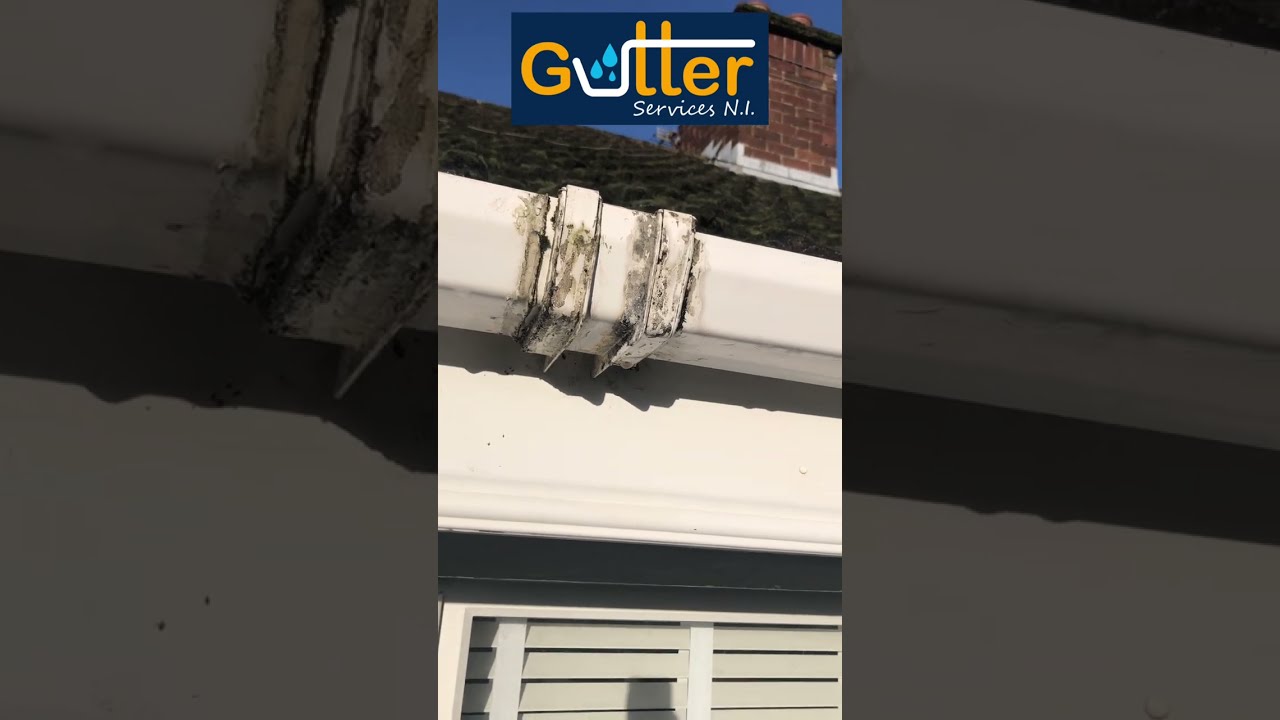
Roof valleys that have rusted through or become blocked can be cleaned, patched or replaced independently. Replacing a valley is far cheaper than replacing the roof it drains.
Sealing and Restoration Coatings
For roofs that are structurally sound but weathered, cleaning, repairing and applying a protective coating can restore waterproofing and appearance. This approach sits between spot repair and full replacement.
When Replacement Becomes the Better Option
Repairs have limits. Replacement is often more sensible when:
- Leaks are widespread: If water is entering in multiple places, the roofing material has likely reached the end of its life.
- Corrosion is extensive: Rust across large areas of metal sheeting cannot be reliably patched.
- Tiles are brittle or porous: Old tiles that crumble or crack when touched, or have lost their glaze or coating, will keep failing.
- Sarking or battens are rotten: Structural timber damage below the surface often means the roof covering needs to come off.
- Repair costs keep adding up: If you are paying for repeated call-outs, a new roof may be the better long-term investment.
- Roof age: Metal roofs commonly last 40 to 60 years depending on the product and environment, and tiled roofs often last 50 years or more, but coastal conditions can shorten these figures.
How to Tell What Is Going On Before You Call Anyone
Some basic observations help you describe the problem to a roofer and understand the likely scope of work.
- Look for ceiling stains, bubbling paint or damp patches, noting whether they appear only after heavy rain or after any rain.
- Check the roof cavity (if safely accessible) for wet insulation, water trails on timber or daylight coming through.
- From the ground, or with binoculars, look for cracked or missing tiles, lifted sheets, rusted areas and damaged ridge capping.
- Inspect gutters for debris, rust and sagging.
Safety note: Do not climb onto a wet or aged roof yourself. Falls from roofs are a leading cause of serious injury in Australian homes, and tile and metal surfaces can be slippery or fragile. Leave roof access to licensed professionals with proper safety equipment.
Finding the Source: Why Leaks Are Hard to Trace
Water rarely drips directly below the point of entry. It can travel along rafters, battens and sarking before appearing as a stain metres away. This is why a thorough inspection matters. A reputable roofer will trace the leak, often using a hose test, thermal imaging or a detailed visual inspection, rather than simply sealing the first suspect area. Skipping this step is a common reason repairs fail and leaks return.
Cost Considerations in 2026
Costs vary with roof type, access, pitch and the extent of damage, so it is best to get written quotes. As a general guide, minor repairs such as replacing a few tiles, resealing flashing or re-pointing sections of ridge are usually a small fraction of replacement cost, while a full re-roof of a typical home is a major expense. Material and labour prices have remained elevated in recent years, which makes well-executed repairs an attractive option when the roof is otherwise healthy.
Also consider the hidden costs of delay. Ongoing leaks can damage insulation, ceilings, electrical wiring and timber framing, and encourage mould in Ballina's humid conditions. Prompt repair usually costs far less than dealing with water damage later.
Storm Damage and Insurance
The Northern Rivers has experienced severe weather and flooding events, and many homeowners are aware of how quickly roof damage can occur. If your roof is damaged in a storm, check your home insurance policy for cover. Take dated photographs, arrange temporary protection such as a tarp to prevent further water entry, and keep receipts. Insurers generally cover sudden storm damage but not wear and tear or lack of maintenance, so regular upkeep helps protect your position.
Choosing a Roofer in Ballina
When selecting a contractor, look for:
- A current NSW contractor licence for the work being carried out. Check the licence on the NSW Fair Trading website.
- Public liability insurance and appropriate worker cover.
- Written, itemised quotes that explain the cause of the leak and the proposed fix.
- Local experience with coastal conditions and the roofing materials common in the area.
- Warranty on workmanship, with details provided in writing.
Be cautious of door-knockers offering unsolicited roof inspections, high-pressure sales tactics or demands for large upfront payments. In NSW, there are limits on deposits for residential building work above certain values, so check current rules with NSW Fair Trading before paying.
Preventing Future Leaks
Regular maintenance is the most cost-effective way to avoid a major roofing bill. Consider these habits:
- Have your roof inspected every one to two years, and after major storms.
- Keep gutters, downpipes and valleys clear of leaves and debris.
- Trim overhanging branches that can drop debris or scratch roofing.
- Address small problems such as loose tiles, rusty screws and failing sealant promptly.
- Wash off salt and mould build-up where appropriate, using methods recommended for your roofing material.
The Bottom Line
You can often repair a leaking roof without replacing it entirely, particularly when the problem is localised and the roof is otherwise structurally sound. Cracked tiles, failing flashing, deteriorated ridge pointing and corroded fasteners are all fixable. Replacement becomes the smarter move when leaks are widespread, materials have reached the end of their life or structural components are compromised.
If your Ballina home has a leak, arrange a professional inspection sooner rather than later. An accurate diagnosis will show whether a targeted repair will do the job or whether it is time to plan for a new roof, and it can save you money and stress either way.
Ballina Roof Restoration & Repair