Ballina Storm Season: How to Protect Your Roof Flashing
Heavy rain, strong winds and salt-laden coastal air can put Ballina roofs under pressure. Roof flashing—the metal material that weatherproofs joints around chimneys, skylights, vents and roof-to-wall connections—helps direct water away from vulnerable openings. Keeping it secure and in good condition reduces the risk of leaks, damaged insulation and stained ceilings.
Why Flashing Needs Attention in Ballina
Thunderstorms are more common during the warmer months in northern NSW, but damaging winds and heavy rainfall can occur throughout the year. Wind-driven rain can expose weaknesses that remain unnoticed during lighter showers.

Coastal salt exposure can also accelerate corrosion, particularly where unsuitable metals touch or protective coatings deteriorate. Flashing needs to accommodate normal roof movement while maintaining effective overlaps and drainage paths.
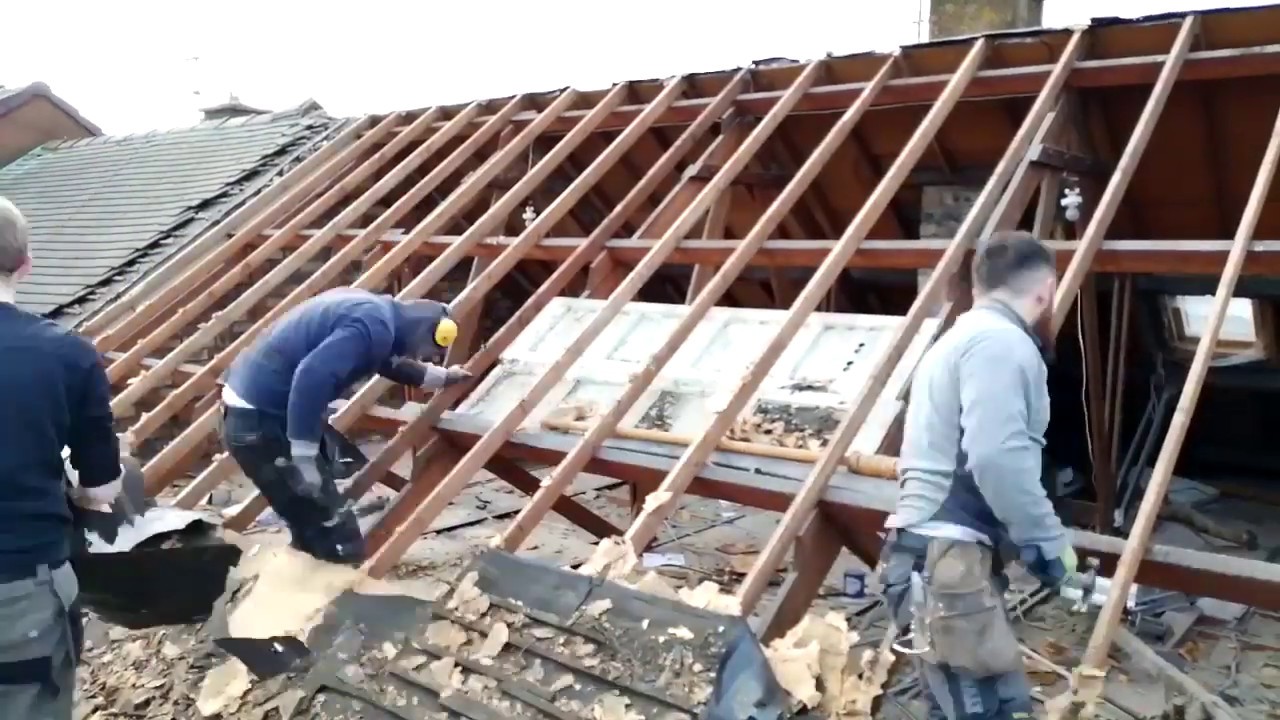
Check for Warning Signs Before Storms Arrive
Inspect from ground level wherever possible. Binoculars or a camera zoom can help you spot obvious problems without climbing onto the roof. Arrange a professional inspection for areas you cannot safely assess.
- Lifted or loose edges: Flashing should not flap, curl or separate from adjoining surfaces.
- Rust or deterioration: Look for corrosion, holes and damaged coatings, particularly around fixings.
- Failing seals: Cracked sealant or gaps around penetrations warrant closer assessment.
- Indoor moisture: Ceiling stains, damp patches or musty smells can indicate a roof leak, although the entry point may be some distance away.
- Blocked drainage: Leaves and debris in gutters, valleys and around roof penetrations can interrupt water flow.
Practical Ways to Protect Your Roof Flashing
Keep Water Flowing Freely
Have gutters, downpipes and roof valleys cleared before the wetter months, with additional checks where overhanging trees shed debris. Arrange safe trimming of branches that rub against roofing. Avoid pressure-washing flashing joints, as this can force water beneath overlaps or damage finishes.
Choose Compatible Repair Materials
Replacement flashing, fixings and sealants must suit the roof material and exposure conditions. Incompatible metals—and runoff from some metals onto others—can cause corrosion. Ask your roofer to follow the roofing manufacturer's guidance and applicable Australian Standards.
Fix the Cause, Not Just the Visible Gap
Sealant has a role in some flashing details, but smearing it over a leak is not a substitute for correctly formed and installed flashing. Loose fixings, inadequate overlaps or poorly detailed roof penetrations may require more substantial repairs. Avoid blocking drainage openings with patching products.
What to Do When Severe Weather Is Forecast
Monitor Bureau of Meteorology warnings and NSW SES advice. Secure loose outdoor items that could become windborne debris, and check accessible downpipe outlets for blockages. Do not climb onto a roof during rain, strong winds or thunderstorms.
If water enters your home, keep clear of affected electrical fittings and sagging ceilings. Call NSW SES on 132 500 for emergency assistance during storms and floods, or 000 if there is an immediate threat to life.
Arrange a Local Roof Flashing Inspection
A suitably qualified and insured roofing professional familiar with Ballina's coastal conditions can assess flashing, fixings and adjoining roof materials. Ask for photos, an explanation of the defect and a written repair scope. Check that the contractor holds the appropriate NSW licence where required. Preventive maintenance before severe weather is generally safer and less disruptive than dealing with an https://erickbvrq618.image-perth.org/planning-a-roof-replacement-around-ballina-x27-s-wet-season active leak.
Ballina Roof Restoration & Repair